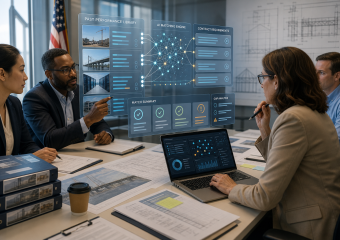


How Federal Contractors Can Build Stronger Subcontractor Partnerships with AI
How Federal Contractors Can Build Stronger Subcontractor Partnerships with AI
Winning a federal contract often requires more than technical expertise. Contractors must build reliable partnerships, coordinate specialized teams, manage compliance requirements, and demonstrate that they have the resources to deliver the promised work.
For many federal contractors, subcontractor partnerships provide access to additional skills, specialized services, and new business opportunities. However, finding the right partners and coordinating their responsibilities can be challenging. Artificial intelligence (AI) can help businesses organize this process and make more informed teaming decisions.
Why Subcontractor Partnerships Matter
Federal projects can involve complex requirements that a single company may not be able to fulfill independently. A prime contractor may need partners with specialized technical expertise, relevant certifications, regional experience, or additional operational capacity.
A well-planned partnership allows companies to combine their strengths and develop a more complete response to a solicitation. It can also help small businesses participate in projects that require capabilities beyond their individual resources.
However, successful partnerships require careful planning. Contractors must evaluate potential partners, define responsibilities, establish communication procedures, and ensure that all parties understand the contract requirements.
How AI Can Improve Partner Research
AI-powered tools can help contractors organize information about potential subcontractors and identify areas that deserve closer evaluation.
Depending on the available data and tools, AI can assist with:
– Organizing information about potential teaming partners.
– Comparing partner capabilities with contract requirements.
– Identifying missing skills or qualifications within a proposed team.
– Creating preliminary responsibility matrices.
– Organizing documents needed for partner evaluation.
– Highlighting questions that require additional verification.
These capabilities can help teams structure their research and reduce repetitive administrative work. However, AI recommendations should not replace direct verification of a partner’s qualifications, experience, certifications, or financial capacity.
Building a Stronger Teaming Strategy
A successful teaming strategy begins with a clear understanding of the contract.
Contractors should identify the project’s technical requirements, delivery schedule, compliance obligations, and expected outcomes. They can then determine which capabilities are available internally and where external partners may be needed.
The next step is to evaluate potential subcontractors based on relevant experience, demonstrated capabilities, reliability, and their ability to meet project requirements.
AI-assisted analysis can help organize this information into a structured comparison. Human decision-makers must still review the evidence, confirm the accuracy of the information, and select partners who are appropriate for the project.
Defining Responsibilities Before Work Begins
Partnerships can become difficult to manage when responsibilities are unclear.
Before submitting a proposal, contractors should establish who will perform each part of the work, how deliverables will be coordinated, and how project changes will be communicated.
A responsibility matrix can help clarify which organization is responsible for each task. Written agreements should also define the scope of work, payment arrangements, confidentiality obligations, and procedures for resolving disagreements.
AI tools can help draft preliminary checklists and organize responsibility information. Legal and procurement professionals should review formal agreements to ensure that they meet applicable requirements.
How GovernmentAIx Can Support Teaming Workflows
GovernmentAIx provides AI-assisted procurement and subcontractor teaming workflows designed to help businesses organize opportunities, review requirements, and coordinate partner-related information.
Its described capabilities include subcontractor teaming matrices, work breakdown structures, and support for organizing contract requirements. These tools can help contractors structure their planning and identify responsibilities that need further attention.
For example, a team evaluating a federal opportunity could organize the required capabilities, identify potential gaps, and prepare a preliminary work allocation plan before making a final teaming decision.
GovernmentAIx can support this process, but contractors should independently verify partner information and ensure that any teaming arrangements comply with the applicable solicitation and procurement rules.
Five Steps to Improve Subcontractor Collaboration
1. Define the Contract Requirements
Review the solicitation and identify the technical skills, qualifications, deliverables, and resources required for successful performance.
2. Identify Capability Gaps
Determine which requirements your company can fulfill and where a qualified subcontractor may provide additional expertise.
3. Evaluate Potential Partners
Review relevant experience, references, certifications, capacity, and the ability to meet project deadlines.
4. Establish Clear Responsibilities
Document each partner’s scope of work, deliverables, communication responsibilities, and contractual obligations.
5. Monitor Progress and Maintain Documentation
Keep records of important decisions, project milestones, partner communications, and compliance-related documents throughout the contract lifecycle.
Protecting Compliance and Partnership Integrity
Federal contracting partnerships must be established and managed responsibly. Contractors should review applicable solicitation requirements, subcontracting rules, cybersecurity obligations, and restrictions on sharing sensitive information.
Companies should also ensure that teaming agreements accurately describe the intended relationship and do not make unsupported claims about qualifications or past performance.
AI can help organize documentation and highlight potential issues, but qualified professionals must review important contractual and compliance decisions.
Conclusion
Strong subcontractor partnerships can help federal contractors combine specialized expertise, improve project coordination, and pursue opportunities that require broader capabilities.
AI-assisted research and planning can make partner evaluation and responsibility management more organized. The best results come from combining these tools with verified information, clear agreements, and experienced human oversight.
GovernmentAIx offers procurement and teaming workflows that can help contractors organize contract requirements and structure their partnership planning.
Explore GovernmentAIx to discover how AI-assisted procurement workflows can support a more organized approach to federal contracting and subcontractor collaboration.